


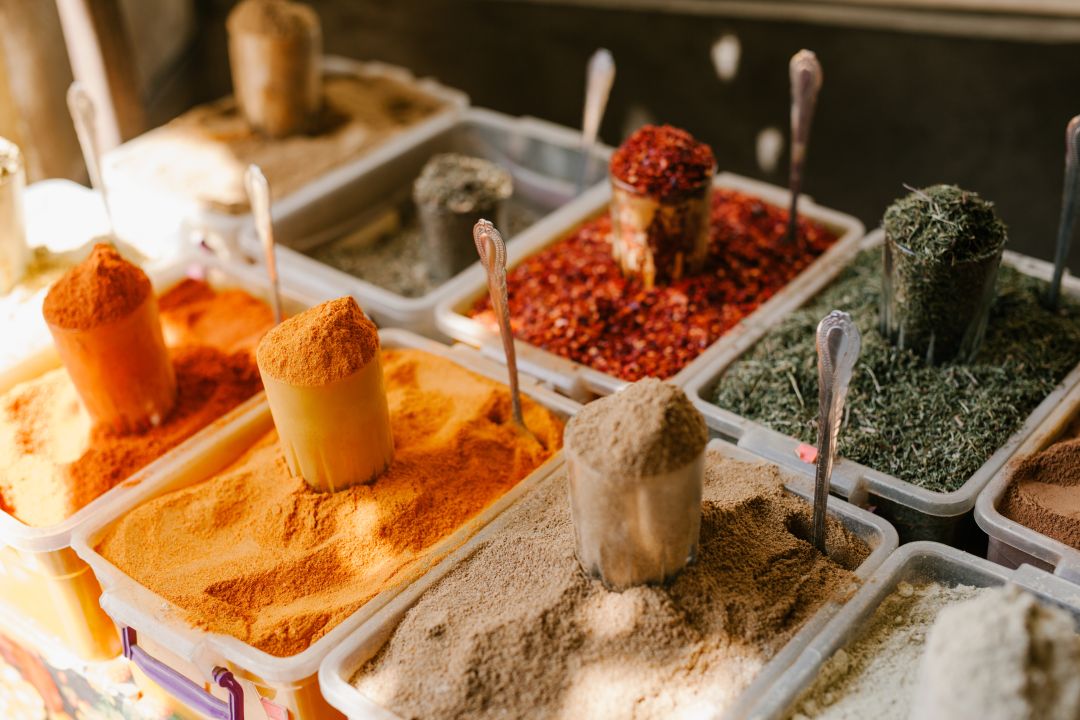
Oriental flavors, oriental food
Diving into the rich world of oriental flavors and spices is a real gastronomic adventure, during which we can discover the unique cuisine and culture of the regions. Whether it’s a fresh hummus bowl, a spicy Turkish doner kebab or an aromatic Indian curry, oriental flavors always enchant our taste buds and invigorate our lives. The cavalcade of flavors and spices is a true gastronomic adventure worth discovering and experiencing.
Oriental flavors, special ingredients
Oriental flavors do not only consist of aromatic spices. Ingredients such as tahini, yogurt, pomegranate syrup, orange blossom water and tahini are also decisive in the flavor of the food. These ingredients give dishes unique aromas and textures and contribute to the complexity of oriental cuisine. For example, orange blossom water is an important ingredient in the original baklava recipe.
Oriental flavors, oriental spice mixes
A special feature of oriental dishes is the smart and moderate use of spices. They not only enhance the flavors, but are an important part of the art of cooking. Each spice has a specific role in the dishes, and creating the right combinations is key to achieving oriental flavors. For example, the combination of coriander and cumin is typical in Middle Eastern cuisine and results in a dominant flavor.

Oriental flavors, the effect of spices on health
Oriental flavors, spices have not only culinary but also health benefits. For example, turmeric, often found in Middle Eastern and Indian foods, has powerful anti-inflammatory properties and is known for its healthy flavor and coloring. Cloves also have antibacterial and pain-relieving effects.