
Textures in Eastern Cuisine – What Makes a Bite Truly Memorable?
The feel, consistency, and texture of food have a powerful impact on the eating experience – often shaping our first impression even before we taste it. Whether the food is soft, hard, crunchy, sticky, greasy, dry, or moist, these qualities all influence how we perceive and evaluate each bite.
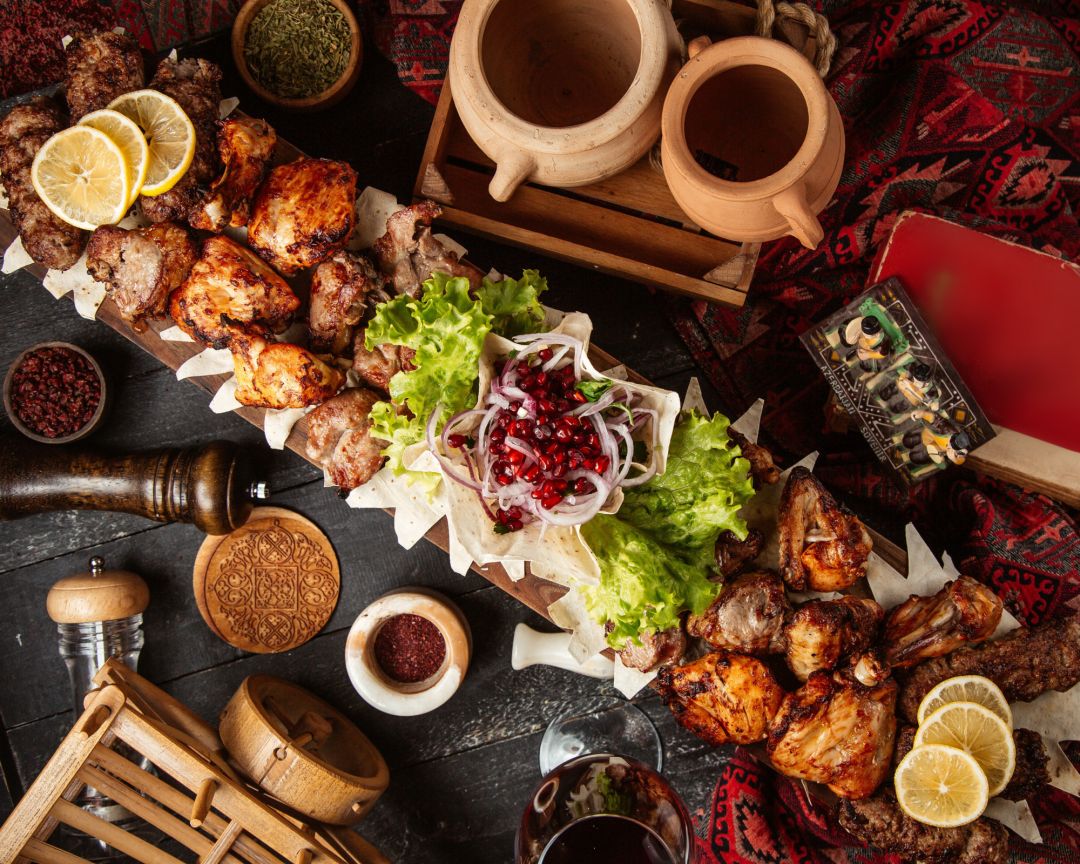
This is exactly what makes Lebanese cuisine so special: it offers a mix of crisp and soft, warm and fresh sensations – often on the very same plate.
The Key Textures That Bring Eastern Cuisine to Life
There are several staple Lebanese dishes where we can play not only with flavors but also with textures, adding delightful variety to everyday meals. Just like the colorful spices and vibrant seasonings, textures can uplift your dining experience. Here’s what you can expect:
• Crunchy: pita chips, fried eggplant petals, pomegranate seeds
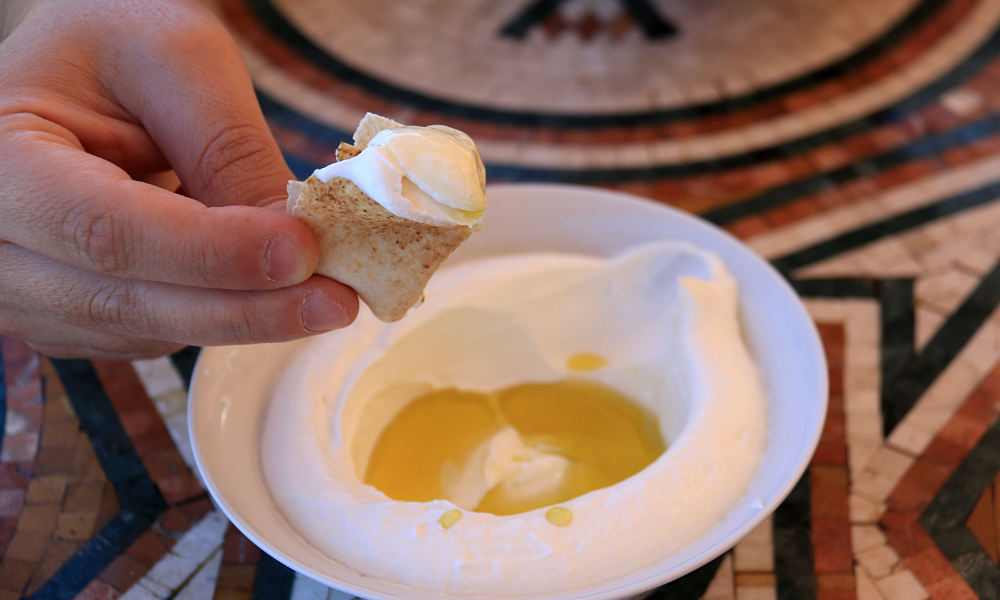
• Soft: hummus, labneh, spiced dips
• Creamy: tahini sauce, countless yogurt-based dressings
• Fresh: parsley salad, crisp vegetables
• Melt-in-your-mouth: steamed meats, juicy vegetable stews
And the best part? Textures in Eastern cuisine are infinitely versatile – you can feature them all in a single meal to create a truly rich and satisfying dish.
The Harmony of Texture in Eastern Cuisine
These aren’t just individual components – Lebanese cuisine thrives on the harmony of contrasts. That’s why soft baba ganoush pairs perfectly with crispy pita, and grilled meat is often served with pickled vegetables. Every plate at Leila’s Cuisine is a reflection of this intentional balance.
Textures Turn Eastern Cuisine into an Experience
Playing with texture isn’t just a culinary whim – it’s deliberate, sensory design. At Leila’s Cuisine, every layer counts. This is how lunch becomes a memory, and a single bite transforms into a full experience. Because healthy eating is not only about taste, but also about the harmony of texture.