


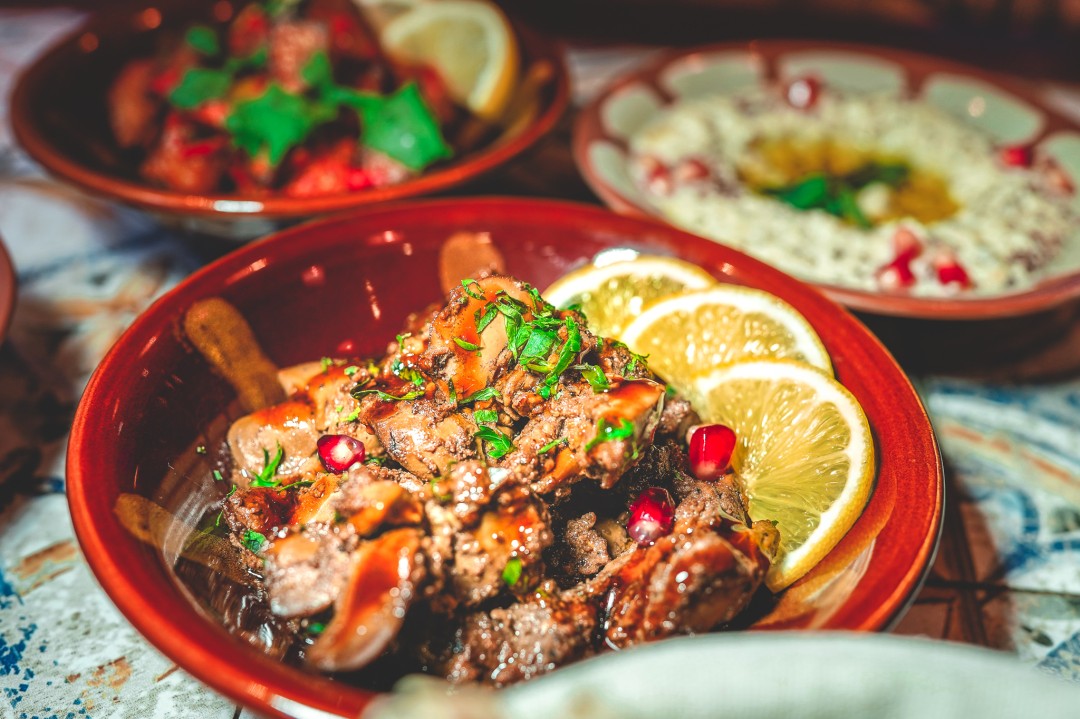
Lebanese Dishes for Winter Days: Why Choose Hot Mezze?
As the cold weather sets in, we all crave something truly warming that soothes not just the body but also the soul. Hot mezze dishes are exactly that. Packed with rich spices, unique flavors, and heavenly textures, Lebanese cuisine enchants with every bite. A plate of hot mezze is like a journey to the heart of the Middle East, enjoyed in the comfort of a cozy, fire-lit room.
Lebanese Cuisine: Cold or Hot Mezze?
Mezze is a cornerstone of Lebanese cuisine—a selection of small dishes meant to be shared around a table. While cold mezze is refreshing and light, hot mezze dishes are perfect for winter weather. These include delights like crispy falafel, juicy fatayer, or cheesy baked dishes. These Lebanese treats not only satisfy the palate but also bring the warmth of the Middle East to your table.
The Spices That Define Lebanese Cuisine
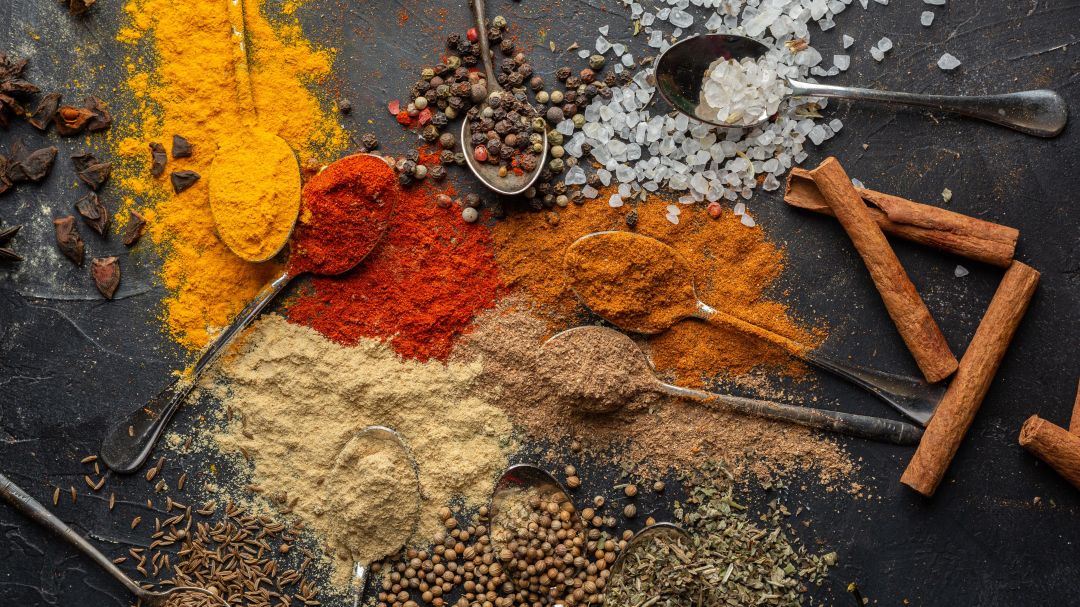
The secret of Lebanese dishes lies in their spices, which give every dish its unique character. These spices are more than just seasonings; they tell stories—of colorful Middle Eastern markets, traditional recipes, and flavors shaped over generations. In hot mezze, these spices not only elevate the taste but also provide literal warmth on chilly winter evenings. Let’s take a closer look at these magical ingredients and why they’re so essential:
- Coriander – Freshness and Depth
Coriander, whether as fresh green leaves or ground seeds, is a staple in Lebanese cuisine. Its citrusy yet slightly peppery aroma creates perfect harmony in mezze dishes. Hot mezze, like falafel or a steaming, spiced sauce, wouldn’t be the same without a touch of coriander. Plus, it’s known for its anti-inflammatory and digestion-boosting properties, making it an ideal complement to richer meals.
- Cumin – The Essence of the Middle East
Cumin is one of the most defining spices in Lebanese dishes. Its deep, earthy flavor pairs beautifully with chickpea- or lentil-based dishes like hummus or falafel. Its warming qualities make it especially beloved during winter months: a pinch of cumin feels like a warm hug in spice form. Additionally, cumin aids digestion, making it a perfect companion to hearty hot mezze dishes.
- Paprika – Sweet and Spicy Balance
Paprika is a cornerstone of Lebanese cooking, adding color and richness to dishes. Both sweet and mildly smoky varieties are popular, depending on the desired flavor profile. In hot mezze, paprika often features in savory meat dishes or baked treats. Packed with antioxidants, paprika is not only delicious but also a healthy choice.
- Sumac – The Lemon of Spices
Sumac may be less known but is one of the most distinctive spices in Lebanese cooking. This vibrant red, tangy spice tastes like sun-ripened lemon in powdered form. Sprinkled over hot mezze dishes, it adds brightness and a zesty tang that perfectly complements spicier flavors. Sumac also boasts anti-inflammatory properties, making it an excellent addition to winter meals.
- Cinnamon and Nutmeg – Sweet, Warming Aromas
While these sweet spices might seem unexpected, they play a special role in Lebanese cuisine. Cinnamon and nutmeg’s soft, warming flavors perfectly enhance juicy meat dishes or baked delicacies. On a winter evening, these spices evoke the fragrant allure of Middle Eastern bazaars.
Leila’s Restaurant: A Cozy Haven for Lebanese Cuisine
Hot mezze dishes represent one of the most magical aspects of Lebanese cuisine. They’re perfect for chilly winter weather, warming your body and soul while introducing you to new flavors and aromas. To experience the charm of hot mezze, visit Leila’s restaurant. Every bite tells a special story, with dishes freshly prepared using the finest ingredients. Whether you’re dining with friends or enjoying a romantic dinner, Leila’s is the perfect choice for exploring the world of Lebanese cuisine.